ロータリー平和フェローとして来日し、国際基督教大学院ICUで平和・紛争研究を学び、2025年6月に修士課程を修了。現在は博士課程に進み、国際平和構築を研究するアフガニスタン出身のロナ カリミさんに、その歩みと想いを伺いました。
英語原文は日本語の後に掲載 English follows
現在のお仕事や近況について、自己紹介も交えてお聞かせください。
私の名前はロナ カリミです。アフガニスタン出身で、首都カブールで生まれ育ちました。アフガニスタンは中央アジアの中心に位置し、豊かな文化と歴史を持つ国で、パシュトゥーン、タジク、ハザラなど、12以上の民族が共に暮らしています。その中でも私は人口の約8%を占めるハザラという少数民族の出身です。ハザラの人々は、現在に至るまで、さまざまな政権下で迫害を受け続けてきました。宗教的信条が多数派と異なることから、「真のムスリムではない」と見なされることも多く、さらにモンゴル系に由来する特徴的な外見によって、差別や暴力の標的とされてきました。
このような背景で、私たちのコミュニティは世代を超えて迫害を受け続けてきました。生活の不安定さゆえに、家族と私は故郷を離れる決断ををしました。1990年代初頭、タリバンがアフガニスタンの政権を掌握した際、私の父は拘束され、死に瀕するほどの拷問を受けました。このトラウマ的出来事の後、私たち家族は隣国パキスタンへ逃れ、難民として数年間を過ごしました。パキスタンでの難民生活は、不確実性と教育機会の制限、社会的疎外感だらけでした。これらの体験は、私に避難生活というものや、レジリエンス(回復力)、そして教育とコミュニティ支援の重要性を深く教えてくれました。
その後、カナダ政府の難民受け入れプログラムにより、私たちはカナダへ移住しました。そこで教育、住居、経済的支援を受ける機会を得たことは、私の人生を大きく変える転機となりました。私は応用政治学の修士号を取得し、さらにパラリーガル(準法律専門職)の資格を得て、少額訴訟裁判所での業務をこなせるまでになりました。
この学びの道のりの中、私はロータリーと出会います。現在、私は平和フェローとして来日し、国際基督教大学(ICU)で平和・紛争研究の修士課程を修了しました。現在は幸運な事に同分野の博士課程1年目として研究を続けており、日本に滞在中に博士号を取得することを目標として勉学に励んでいます。現在は指導教授と相談しながら研究計画を練っている段階ですが、理論的枠組みとしてはポストコロニアル理論とナラティブ・アイデンティティ論を用いる予定です。カナダに暮らすアフガニスタン人女性難民へのインタビュー調査を検討しています。
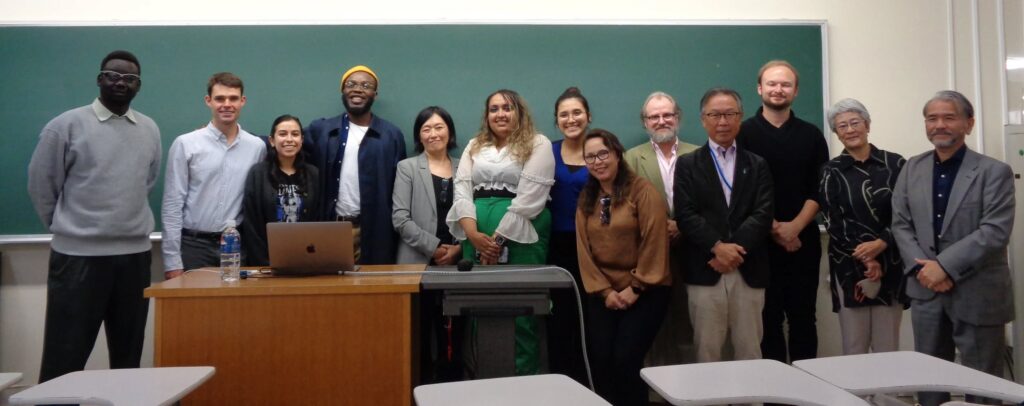
日本での生活は、私にとって大きな転機となりました。実は、カナダ以上に日本で強いカルチャーショックを経験しました。カナダではアフガン人コミュニティがあり、文化的なつながりがあったので、孤立感はありませんでした。一方、日本ではICUにアフガニスタン出身の学生が私一人であるため、孤独を感じることもありますが、それは同時に大きな学びの機会でもあります。
日本文化の中で特に印象的なのが「かわいい」という概念です。日本には「かわいい」があふれています。日本の文化と歴史は他に類を見ないほど豊かで、深い意味を持っています。調べてみたところ、「かわいい」という言葉はもともと、顔を赤らめたり、恥ずかしがったりするという意味でした。弱々しく、内気で、そのような感情を表している人を指していました。時が経つにつれて、その意味は愛らしいものから可愛いものへと変化していったのです。これは、「かよわきもの」から、「思いやりと愛情に値するもの」への文化的革命だと感じました。後に漢字で「愛LOVE」と読めることを知りました。この解釈は、可愛いらしさとは完璧さや強さではなく、開放性、柔らかさ、感情的な安らぎにあることを示唆しています。時には人々に共感を呼ぶからこそ「かわいい」と言えるのかもしれません。
哲学的に言えば、「かわいい」は単なる美的感覚ではなく、感情的な近づきやすさを重視する世界観です。日本のような高度に構造化され、要求の厳しい社会において、「かわいい」文化は感情的な安らぎをもたらします。それは、人々、特に女性や若者が、社会的に受け入れられる方法で、優しさ、遊び心、そして感情を表現することを可能にします。これは小さなものを大きな影響を与えるものの見方だと思いました。私はこのことを大変美しいものだと感じます。
このような哲学は、日常の食文化にも表れており、日本では「目で食べる」と言われるように、視覚的な美しさが味と同じくらい大切にされています。昨日鳥の絵が描かれたお菓子を買ったのですが、開けるとなんとお菓子は花の形をしていました。なぜ鳥と花なのか考えてみると、春と解放なのかと感じました。このように日本では、日々の小さな発見の中に深い意味が込められていることを学んでいます。それは時間をかけて少しずつ理解していくものですが、そここそ日本の美だと感じ取ります。
このような私に平和フェローとしての学びと奨学金の機会を与えてくださった、日本のロータリーには心から感謝しています。ロータリーの追求している平和、教育、奉仕への理念は、私の人生経験と将来の目標に深く共鳴しています。この経験を活かして将来、世界中の弱い立場にある人々を支える研究・政策・アドボカシー活動に貢献していきたいと考えています。
ロータリー平和フェローシッププログラムに応募したきっかけを教えてください。
私が平和フェローを志した原動力は、難民として生きてきた自身の経験に深く根ざしています。私はこれまで、国内避難民、パキスタンでの難民、カナダでの移民、そして現在は日本での留学生と、さまざまな「ラベル」を与えられてきました。しかし私自身のアイデンティティは、常にシンプルです。私はアフガニスタン・カブール出身の女性、ロナなのです。
国境を越えながら生きる中で、特に現在のアフガニスタンにおける女性たちの厳しい現実と向き合ってきました。学校は閉鎖され、教育や医療へのアクセスは奪われ、多くの女性が家庭内に閉じ込められています。こうした現実を目の当たりにし、自らも経験してきたことが、不正義への強い問題意識と、持続可能な平和を築きたいという思いに繋がりました。
私にとって平和とは、単に紛争がない状態ではありません。それは、人の尊厳を守り、機会を広げる制度が存在することです。カナダで政府支援難民として受け入れられた経験は、私の平和への考え方を大きく変えました。教育、医療、社会的支援へのアクセスが、私に人生を再構築する力を与えてくれたのです。この経験から、私は難民や社会的に弱い立場にある人々を支え、長期的な政策レベルの変革に貢献したいと強く思うようになりました。
国際ロータリーの理念は、こうした私の志と深く重なります。平和構築、教育支援、保健、上下水道、地域経済の発展、環境保護といったロータリーの取り組みは、人間の安全保障を包括的に捉えています。中でも教育への重視は、私自身の人生と強く響き合うものです。教育こそが、私の人生を立て直し、未来を切り拓く最大の力でした。
現在の博士研究では、教育へのアクセス、法制度、包摂的な公共政策が、いかにして難民や周縁化されたコミュニティをエンパワーできるかを探究しています。ロータリー平和フェロープログラムを知ったのは、カナダのウィルフリッド・ローリエ大学で修士課程に在籍していたときでした。ロータリー会員でもある指導教授名前がこの制度を紹介し、平和構築や公共政策、国際奉仕との高い親和性を教えてくれました。
その後、日本でロータリーの支援を直接受けたことで、このつながりはさらに確かなものとなりました。国際基督教大学ICUでの学びを可能にしてくれたロータリー日本の支援に、心から感謝しています。ロータリーの長期的な視点と持続可能な変化への取り組みは、研究・政策提言・実践を通じて社会に貢献したいという私自身の志と重なっています。
私の歩んできた道は、決して平坦なものではありませんでした。一般的な進学ルートをたどることはできず、多くの困難と向き合ってきました。カナダでの修士課程の修了時期は、ちょうど新型コロナウイルスの世界的流行と重なり、不確実性に満ちた日々でした。最初の奨学金申請は叶いませんでしたが、振り返ると、その経験もまた意味のあるものだったと感じています。二度目の挑戦で選考に受かったことは、大きな転機となりました。
現在、博士課程で学ぶ立場として、私はこの歩みを「例外」ではなく「責任」だと捉えています。将来は、アフガニスタンの女性だけでなく、シリア、ウクライナ、アフリカなど、紛争や避難、自然災害の影響を受ける世界中の女性たちが、自らの夢や目標に到達するための支援をしたいと考えています。その思いこそが、私を動かし続けている原動力であり、ロータリー平和フェローとしての活動の理由です。
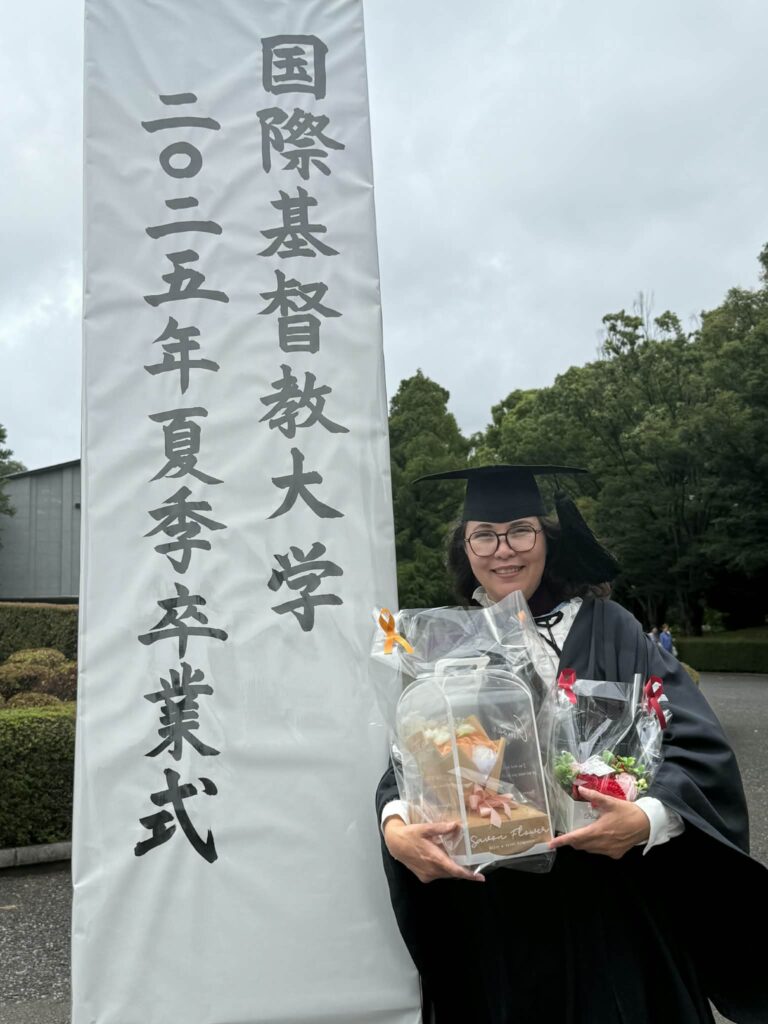
ロータリープログラムで体験されたご経験で印象に残ることを教えてください。
平和フェローとして過ごした時間の中で、私にはいくつもの忘れがたい、人生を変える経験がありました。そのすべてが重要でしたが、特に強く心に残っている出来事があります。
2024年12月、ICUロータリー平和センターを国際ロータリー ステファニーAアーチック会長 がセンターを訪問された際、私の研究を発表する機会をいただきました。ロータリーの高名な方々の前で発表できたことは、大きな転機であり、非常に光栄な経験でした。
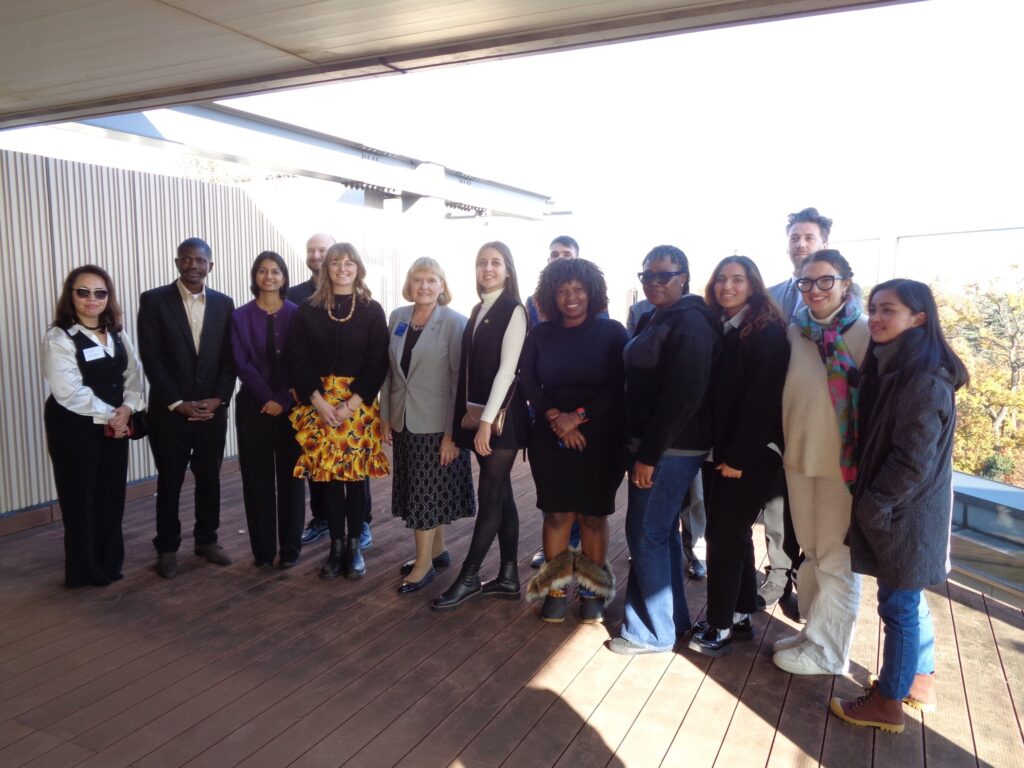
さらに翌年2025年には、国際ロータリーフランチェスコ・アレッツォ会長の前で研究発表を行う機会にも恵まれました。事前に同氏の活動やロータリー財団への多大な貢献について調べ、その理念や教育への信念について発表の中で触れました。イタリアでオリーブオイル事業を営みながら、弱い立場にある人々への支援を続けている姿勢に深く感銘を受けました。その思いが伝わったことは、私にとって忘れられない瞬間となりました。
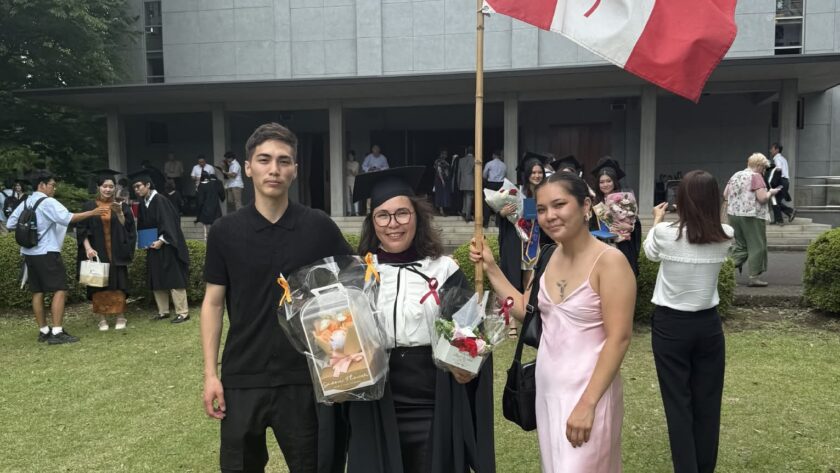
学術的に最も心を揺さぶられた経験の一つが、第23回ICUロータリー平和センター年次セミナーです。このセミナーは修士課程修了の節目でもあり、修了生一人ひとりが修士論文を発表しました。約150名の聴衆の前で、ロータリアン、ICU学長、著名な研究者の方々に向けて研究を発表できたことは、胸が熱くなる体験でした。2年間向き合ってきた研究に、真剣に耳を傾けてもらえたことで、自分の研究の意義を実感し、博士課程へ進む決意を強くしました。
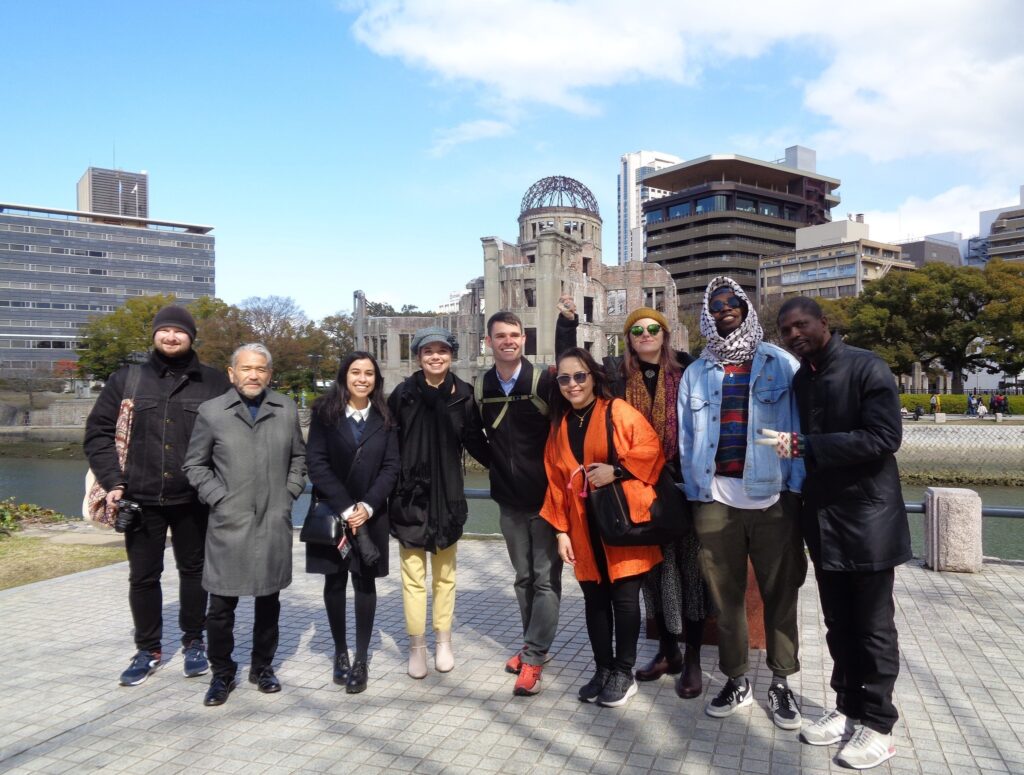
また、2度にわたるロータリーが企画してくれた現地調査旅行も、私に大きな影響を与えました。2024年3月に実施された広島旅行では、被爆者の方々の証言を聞き、平和記念資料館や慰霊施設を訪問しました。展示された子どもたちの遺品や写真を目にし、原爆が市民にもたらした被害の大きさに深い衝撃を受けました。同時に、そこから立ち上がり、復興を遂げた日本社会のレジリエンスに強い感銘を受けました。
二つ目は、仙台市・名取市を訪れた東北旅行です。2011年の東日本大震災と津波について、東北大学の教授陣による講義や被災地視察を通じて学びました。特に印象的だったのは、現地ガイドの方の話です。後でその方が津波で両親を失い、ご遺体も見つかっていないことを知りました。それでもなお、彼は自身の体験を語り続けています。その強さと覚悟に心を打たれ、自分なら同じことができるだろうかと深く考えさせられました。
これらのロータリアンが与えてくれた経験は、歴史と現在を結び、平和の意味を体感的に教えてくれました。そして、博士課程へ進み、研究を通して社会に還元したいという思いをさらに強めるものとなりました。
ロータリー体験が現在の仕事や学びにどのように影響しているとお考えですか?
ロータリーが現在の私の仕事や学び、そして考え方にどのような影響を与えたかを振り返ると、それはロータリー単独の力ではなかったと感じます。ロータリー、日本、そして国際基督教大学(ICU)——この三つが結びついたことで、私の歩みは形づくられました。
ロータリーを通じて、私は日本に来る機会を得ました。そして再びロータリーを通して、ICUと出会いました。この「ロータリー・日本・ICU」という三つの要素は、私の学問的、そして個人的な成長に深く関わっています。
学問的には、日本での経験が理論と現実を結びつけてくれました。これまで学んできた「移動」「トラウマ」「回復」といった概念が、実体を伴って理解できるようになったのです。特に東北や広島への訪問は、災害・トラウマ・復興がどのように交差するのかを深く理解するきっかけとなり、現在の博士課程での研究テーマである「難民の社会統合と包摂」に大きな影響を与えています。
私の母国アフガニスタンは、戦争だけでなく、地滑りや雪崩、洪水といった自然災害にも長年苦しめられてきました。私は戦争や避難、難民としての経験はありますが、大規模な自然災害を直接体験したことはありませんでした。日本で、人々がどのように災害と向き合い、備えてきたかを目の当たりにしたことは、私にとって非常に学びの多い経験でした。
日本では、防災が日常生活の一部として根づいています。ICUのキャンパスには避難所の案内や情報センター、具体的な行動手順が明確に示されています。災害はいつ起こるかわからないからこそ、備えることの大切さを日本は知っているのだと感じました。
来日してすぐ、私は地震防災センターを訪れ、家庭での準備物や、地震が起きた際の行動について学びました。これほど実践的かつ効果的に防災を学べる場所は、他にないのではないかと思います。
ICUでは、国連や国際的な災害対応に関わる著名な教授陣から、防災に関する多くの授業を受けました。日本は防災分野において世界をリードする国であり、その知識と実践力は群を抜いていると感じます。こうした貴重な経験を可能にしてくれたのも、ロータリーの支援のおかげです。
職業的な面でも、日本から学んだことは数えきれません。日本の人々は効率的であるだけでなく、文化的な感受性に富み、思いやりがあり、礼儀正しく、知識も豊かです。私はこれらの価値観を、今後の人生と仕事の中で生かし、世界に広げていきたいと思っています。
日常の中の小さな出来事にも、私は何度も感動しています。例えば、図書館の女性用トイレに貼られた「生理用品が必要な方は図書館へ」という控えめな可愛い紙の案内。説明を求められることもなく、配慮に満ちた対応がなされています。こうした文化的な繊細さに、私は深く心を打たれました。
日本では、背景や立場に関係なく、誰もが平等に敬意をもって扱われます。レストランでも同じです。お辞儀の文化にも私は影響を受け、今では自然と実践するようになりました。「日本人でないのでお辞儀をしなくてもいい」と言われることもありますが、良い文化は受け継ぎ、世界に伝えていくべきだと思い実践しています。
日本のコミュニケーションのあり方も本当に素晴らしいと感じます。繊細な話題であっても、相手を尊重しながら丁寧に伝える。その姿勢は、贈り物の包み方一つにも表れています。小さな本の栞やお菓子の包み紙であっても、美しく飾られ、心を込めて手渡される。私の文化では価値はお金で示されることが多いですが、日本では「思い」と「心配り」で示されます。
こうした一つひとつは小さなことかもしれません。しかし、その積み重ねが大きな価値を生み出しているのです。私はこの文化と学びを、生涯大切にしていきたいと感じています。
プログラム参加前のロータリーのイメージと、参加後今考えるロータリーのイメージの違いを教えてください。あなたにとってロータリーとはどのようなものだと考えますか?
日本に来る前、私のロータリーに対する知識はとても限られたものでした。ロータリーは、国連や赤十字のように、世界各地でさまざまな課題に取り組む国際的な組織の一つだと認識していたにすぎません。カナダにいた頃、ロータリアンと直接関わる機会はほとんどありませんでした。ロータリー平和フェローシップの選考で面接を受けたことが、唯一の接点だったのです。皆さん親切で誠実な方々でしたが、その時点では、ロータリーはまだ「組織」という存在でした。
プログラムに参加する前、私はロータリアンとは主に裕福で、慈善活動のために寄付をする人々だと思っていました。しかし、多くのロータリアンと出会う中で、その考えは大きく変わりました。
ロータリーの使命は、金銭的な支援にとどまるものではありません。ロータリアンは、戦争、自然災害、貧困、教育や医療へのアクセス不足といった複雑な課題に真剣に向き合い、意味のある変化を生み出そうとしています。多くのロータリアン自身も、私たちと同じように困難や試練を経験してきました。それでも彼らは、自らの経験や知識、資源を、他者のために役立てることを選んでいるのです。
今の私にとって、ロータリー、そしてロータリアンは、「希望」「人間性」「世界的な連帯」を象徴する存在です。ロータリーとは、「人の声に耳を傾けるコミュニティ」です。その姿勢は、私自身の仕事においても、同じような寛大さと献身を実践したいと思わせてくれました。これまでに出会った多くのロータリアンの優しさは、今も心に深く残っています。
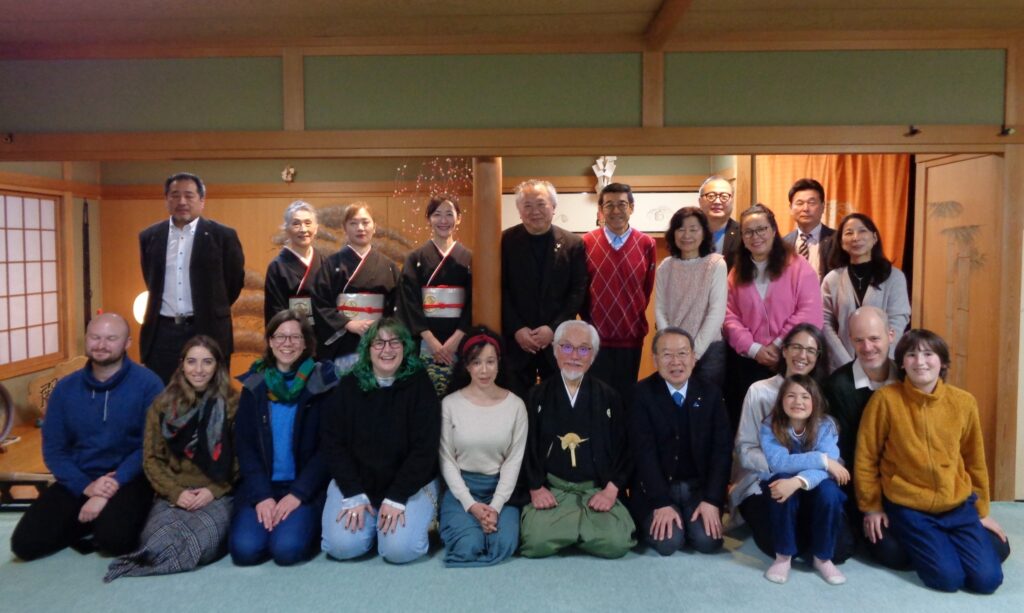
私が借りていたアパートの大家さんである宮崎陽市郎さん(第2750地区パストガバナー 東京三鷹RC)もロータリアンでした。彼らは私だけでなく、他の留学生たちにも継続的に支援をしてくださいました。家賃も良心的で、それ以上に、日常生活のさまざまな場面で助けてくださいました。
例えば、電気料金や請求書の仕組みが分からない時、日本の生活で困ったことがある時、宮崎さんは家族ぐるみで通訳のような役割を果たし、親身になって助けてくれました。他のロータリアンの方々も同様です。イベントのたびに名刺を渡し、「何かあれば、いつでも連絡してください」と声をかけてくれました。そして、実際に連絡をすると、断られたことは一度もありませんでした。
この経験が世界中どこでも同じかは分かりませんが、日本のロータリーコミュニティは、非常に特別な存在だと感じています。現在は、建て替えのため宮崎さん一家のアパートを離れていますが、今でもご迷惑をかけないよう気を配りながら、彼らの温かさと支えを忘れずにいます。
これからロータリープログラムに関わる後輩たちへメッセージをお願いします。
もし私がこのプログラムについて発信する機会を得られるなら、そのメッセージは応募を考えている人だけでなく、すでにプログラムに参加している人たちにも向けたものになります。これまでの経験の中で、平和フェローとして修了後、当初いた場所にそのまま戻っていく人たちを見てきました。そのたびに、「このプログラムに応募したとき、どんな目標を持っていたのだろう」と考えさせられることがありました。
私からのアドバイスは簡単なものです。「応募する前に、ロータリー平和フェローシップが何を目指すプログラムなのかを、本当に理解してほしい」ということです。そして、「自分がやりたいことが、ロータリーの価値観や使命とどのようにつながっているのかを考えてほしい」のです。これは決して大きな貢献をしなければならない、という意味ではありません。ロータリーがどのように社会に貢献しているのかを学び、自分自身も小さな形で何ができるのかを考えることが大切だと思います。
ロータリーは、私たちに奨学金という形で資金を提供する代わりに、大口寄附者になることを求めているわけではありません。むしろ、物事を大きな視点で捉え、その考え方を日常生活の中で生かし、継続的に「与えること」を学ぶ姿勢を大切にしているのだと考えます。
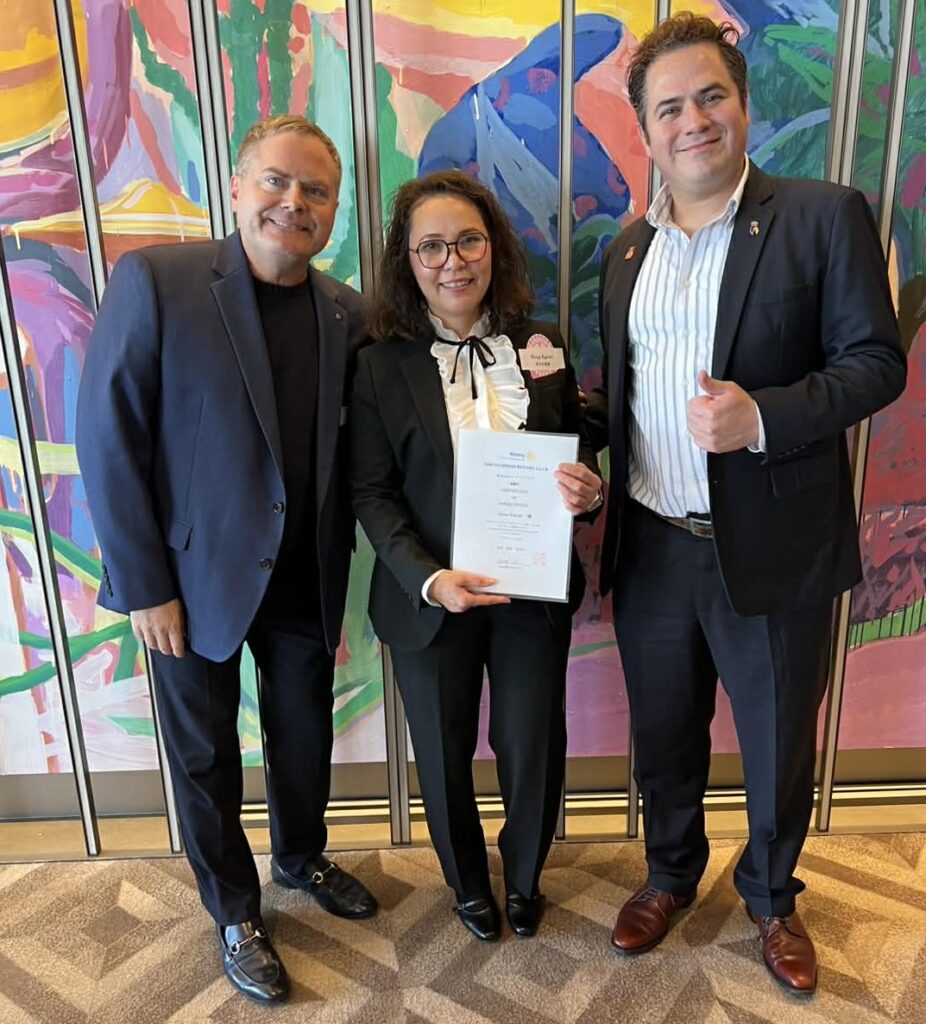
今日このインタビューに繋げてくれたパブロ・プーガさん(メキシコ出身米山学友ICU大学院卒業、第6代米山親善大使、東京広尾RC所属)のことをお話します。彼と出会い、意味のある機会を数多くいただいてきました。今回のインタビューへの参加もその一つで、ロータリーの媒体で自分の経験を共有する機会につながりました。また、研究発表の場も与えていただきました。こうした経験は、私が研究に集中し、自分が何を社会に伝えたいのかを考え続ける大きな支えになっています。
私自身も、同じように小さな形での「恩返し」を心がけています。ICUの日本人学生が研究で悩んでいたり、論文の推敲や英語表現のチェックを必要としていたりする時には、できる限り手助けをしています。これが、私なりの貢献の形です。
若いフェローの皆さんには、ロータリアンと敬意をもって関わり、この多様なコミュニティから学ぶだけでなく、「どう与えるか」を意識してほしいと思います。ロータリー平和コミュニティは、受け取ることだけで成長するのではなく、時間や知識、そして協働を通じて与えることで、より強くなっていくのだと思います。
「深く関わる」というのは、単にそこにいることではありません。私自身、ICUで博士課程に在籍する今も、日本での日常の中から毎日学びを得ています。先に紹介した丁寧な包装や、思いやりのこもった一言メッセージといった小さなことの中に、平和や尊重、配慮の精神が表れています。こうした小さな実践を日々積み重ねていくことが、やがて大きなインパクトにつながっていくのだと感じています。
最後にあなたの夢を教えてください。
この質問を受けたとき、私は自分自身にもう一つの問いを投げかけました。「このプログラムに参加し、ロータリーの支援という貴重な資源と信頼を受け、日本まで来た今、私は次に何をするのだろうか」と。
私ははっきりと分かっていました。この機会を、ただ元の場所に戻るためだけに使いたくはない、ということです。もっと先へ、次の段階へ進みたいと思いました。将来の形はまだ明確ではありませんが、ロータリアンの皆さまの寄付や支援、そして注いでいただいたエネルギーを無駄にしたくないという思いだけは、強く心にありました。たとえ小さな形であっても、恩返しを続けていきたいのです。
これは何度でも繰り返したい大切なことですが、私は一人でここまで来たのではありません。正しい道を示してくださった教授の方々、プログラムへと導いてくれたパブロさんのような存在、そして教育を支えるために寄付をしてくださるロータリアンの皆さま——多くの人々の支えがあって、今の私があります。だからこそ、私もまた、同じように誰かを支える存在になりたいと強く感じています。
私の夢は、将来ロータリアンとなり、ロータリアンの皆さまが体現している価値の、ほんの一部にでも近づくことです。彼らが成し遂げてきた素晴らしい活動と同じことができるかは分かりませんが、多くを与えてくれた社会や組織に、主体的に貢献していきたいと思っています。
ロータリー平和フェローシップは、ICUでの博士課程を含め、私の学術的・専門的な歩みを大きく形成してくれました。そのため、私は深い責任感を持って、難民や社会的に弱い立場にある人々、紛争や災害の影響を受けた人々を支えていきたいと考えています。奉仕、思いやり、献身性をもって変化を生み出してきたロータリアンの皆さまの姿を手本にしながら。
まだ多くのロータリアンが成し遂げてきたような大きな成果には及ばないかもしれません。それでも、世界各地で行われている意義ある活動の一端を担い、平和とコミュニティの向上に貢献し続けたいと願っています。
本日はこのような機会をいただき、心から感謝しています。
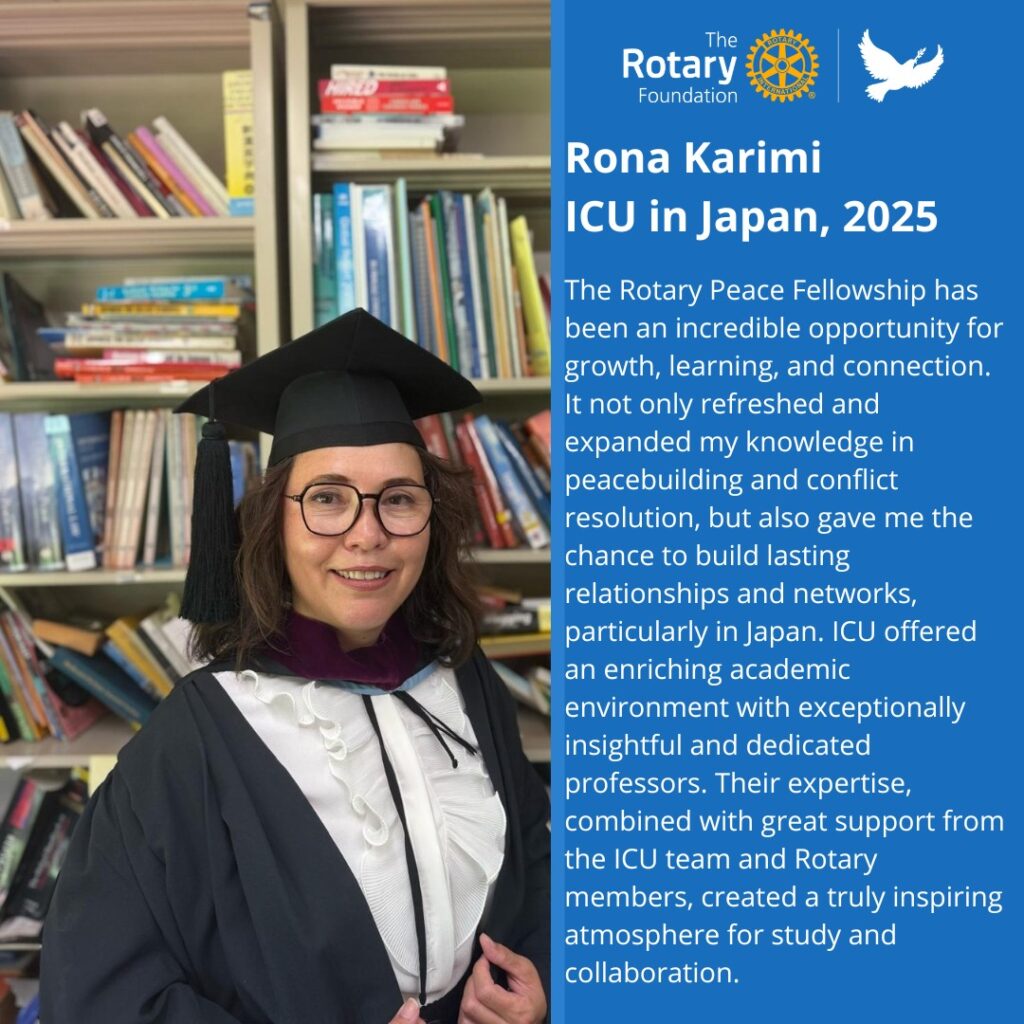
| ロナ カリミ Rona Karimi ロータリー平和フェロー22期生 国際基督教大学(ICU)博士課程 一年生 ホストクラブ 第2590地区 川崎中央ロータリークラブ ロータリーファミリー支援委員会 委員長:宮村 和加子(東京広尾RC)副委員長:杉浦 藤一郎(東京あけぼのRC) Rotary Family Voice 編集長:中前 緑(東京米山ロータリーEクラブ2750) 協力:パブロ プーガ(東京広尾RC) インタビュー日時:2026年(令和7年)1月19日(月)14時 |
| ロータリー平和フェローシップとは? ロータリー平和フェローシップは平和と開発の分野における仕事の経験を有する人を対象としています。フェローは社会奉仕と国際奉仕に献身しながら、平和の実現をめざします。毎年、世界各地の名門大学にて修士号(年に50名まで)と専門能力開発修了証(年に40名まで)を取得するためのフェローシップ(奨学金)がロータリー財団から授与されます。 詳しくはこちら→ |
English Version 英語版
Across Borders, Toward Peace: A Rotary Peace Fellow’s Journey
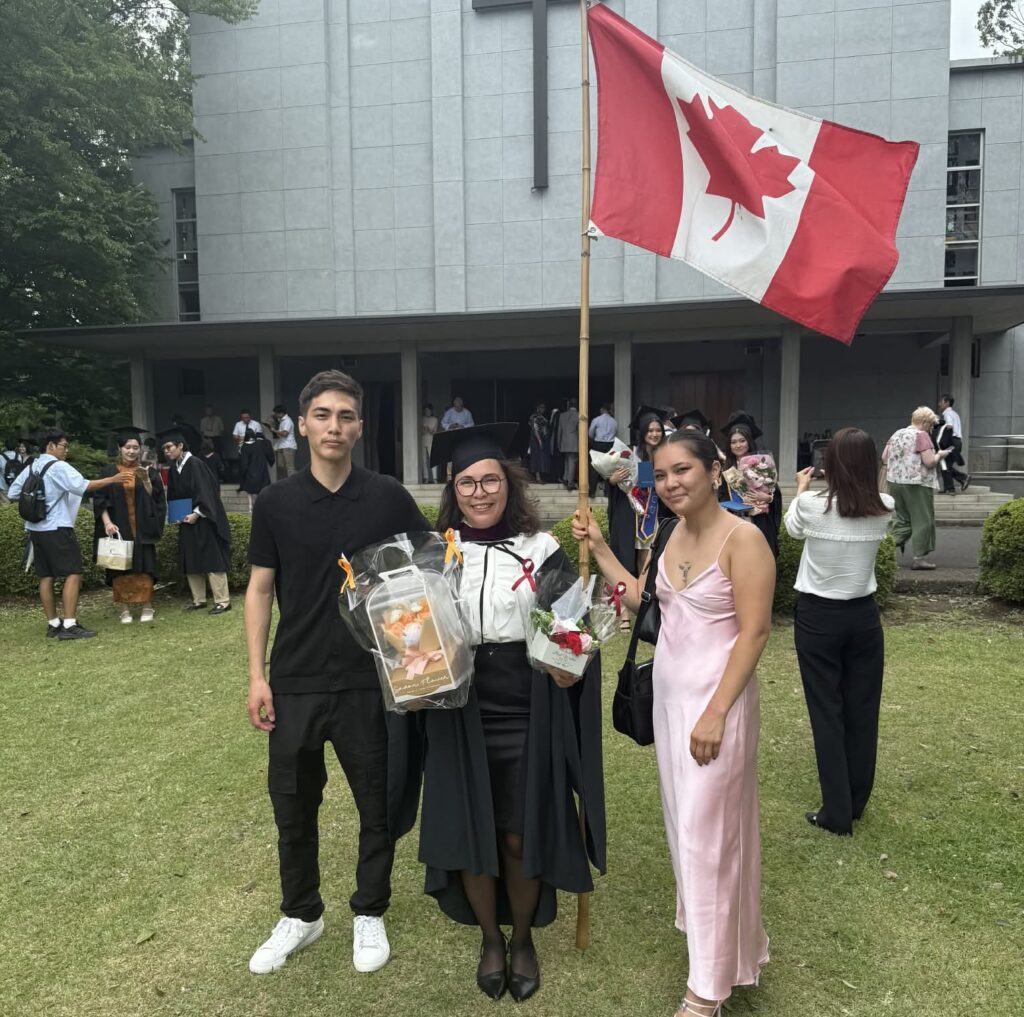
Originally from Afghanistan, Rona Karimi came to Japan as a Rotary Peace Fellow and pursued Peace and Conflict Studies at the Graduate School of International Christian University (ICU), completing her master’s degree in June 2025. She is now continuing her academic journey in the doctoral program, focusing on international peace building. We had the opportunity to speak with her about the path that brought her here and the hopes that guide her forward.
Please introduce yourself and tell us about your work, study, and recent activities.
My name is Rona Karimi. I am originally from Afghanistan, where I was born and raised in Kabul. Afghanistan is a country located at the heart of Central Asia, rich in culture and history, and home to more than twelve ethnic groups, including Pashtun, Tajik, and Hazara.I belong to the Hazara minority community, which makes up approximately eight percent of Afghanistan’s population. Historically and to this day, the Hazara people have faced systematic persecution by various governments. Because of our religious beliefs, which differ from those of Muslim majority, Hazara people have often been regarded as “non-Muslims.” In addition, we have distinct physical features rooted in our Mongolian ancestry, which has made us further targets of discrimination and violence.
As a result, my community has endured generations of persecution, including targeted attacks and systemic discrimination.
This environment of insecurity eventually forced my family and me to flee our homeland. When the Taliban took control of Afghanistan in the early 1990s, my father was captured and tortured nearly to death. Following this traumatic event, we escaped to Pakistan, where we lived as refugees for several years.
Life as a refugee in Pakistan was marked by uncertainty, limited access to education, and social marginalization. While Pakistan offered temporary safety, the experience deeply shaped my understanding of displacement, resilience, and the crucial role of education and community support.
Later, through the Canadian Government-Assisted Refugee Program, my family was resettled in Canada. There, I was able to access education, housing, and financial support, opportunities that profoundly changed my life. With the support of the Canadian government, I completed my first master’s degree in Applied Politics and later became a licensed paralegal, working within the small claims court system.
My academic journey eventually led me to Rotary, which I will speak about in another section. Today, I am living in Japan, where I have completed my second master’s degree in Peace and Conflict Studies at International Christian University. I was fortunate to get into my first year of a PhD program in the same field and hope to complete my doctoral studies here in Japan. I am currently in the process of refining my doctoral research proposal with my advisor. My theoretical framework draws on postcolonial studies and narrative identity theory. I am considering conducting qualitative interviews with Afghan refugee women living in Canada.
Japan has been a major turning point in my life. Interestingly, I experienced far greater culture shock here than I did in Canada. In Canada, I was surrounded by a strong Afghan community—families, markets, and cultural spaces—which helped ease feelings of isolation. In Japan, particularly at ICU, I am the only Afghan student, which has made my experience more isolating, but also deeply transformative.
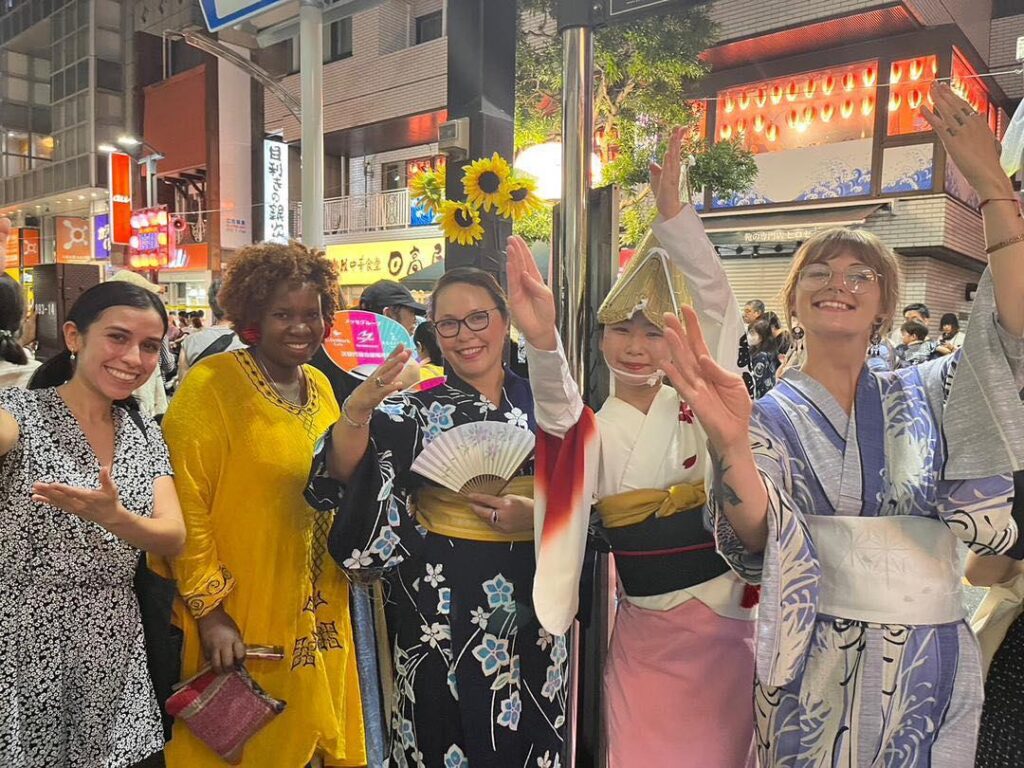
On a positive note, Japan’s culture and history are uniquely rich and profoundly meaningful. One concept that recently fascinated me is “kawaii.” And Japan is huge on kawaii, and then when I looked it up, I researched about kawaii, kawaii initially means face flashing or embarrassed. Referring to someone who looked vulnerable, shy, or emotionally exposed. And over time, the meaning shifted from lovable to cute. This reflects a cultural revolution of vulnerability from something awkward or weak into something worthy of care and affection. I learned that, yes, it’s a kanji word, can be read as able to love. This interpretation suggests that the cuteness is not about perfection or strength, it’s about openness. Softness, emotionally accessibility, sometimes kawaii because it invites empathy. So, another was philosophically, I thought it was very cute.
While commonly translated as “cute,” the original meaning of kawaii is associated with vulnerability, shyness, and emotional openness. Over time, the concept evolved to represent affection, care, and empathy rather than weakness. Philosophically, kawaii is not merely an aesthetic—it is a way of seeing the world that values imperfection, fragility, and emotional accessibility over dominance and strength.
In a highly structured and demanding society like Japan, kawaii culture offers emotional relief. It allows people, particularly women and young people, to express softness, playfulness, and emotionally in socially acceptable ways. I thought this is such a wonderful way to look at small thing and has a huge impact. I find this deeply beautiful. Even in everyday life, such as the design of food, For example, I bought a small snack yesterday, and it was a picture of a bird on the snack, and the snack was a flower shape. When I looked at why it’s a bird and a flower, actually it represents spring, it represents abandon, and the picture of the cookie that was a flower, it says, Japanese people eat with the eyes. Japanese culture reflects this philosophy—people “eat with their eyes,” valuing visual beauty alongside taste.
Each day in Japan, I discover small details that carry deep meaning. These subtle layers take time to understand, but that is precisely where Japan’s beauty lies. I am deeply grateful to Rotary Japan for the fellowship and scholarship that made this journey possible. Rotary’s commitment to peace, education, and service resonates strongly with my life experience and professional goals. I hope to contribute meaningfully to research, policy, and advocacy that uplift vulnerable communities around the world.
What motivated you to become a Rotary Peace Fellow? Please tell us how you applied to the program.
My motivation to become a Rotary Peace Fellow is deeply rooted in my lived experiences as an Afghan woman who has been repeatedly displaced. Throughout my life, I have been given many labels—internally displaced person, refugee in Pakistan, landed immigrant in Canada, and now an international student in Japan. Yet at my core, my identity has remained simple: I am Rona, from Kabul, Afghanistan.
Moving across borders in search of safety and meaning forced me to confront the realities faced by displaced women, particularly Afghan women today. In Afghanistan, women have been systematically oppressed—schools have been closed to us, access to education and healthcare has been denied, and many women have been confined to domestic roles with little agency over their futures. Witnessing and living through these realities shaped my understanding of injustice and strengthened my resolve to work toward sustainable peace.
My motivation to pursue the Rotary Peace Fellowship comes from the belief that peace is not merely the absence of conflict, but the presence of systems that protect dignity and expand opportunity. Arriving in Canada through the Government-Assisted Refugee Program transformed my understanding of peace. Access to education, healthcare, and social support allowed me to rebuild my life and pursue both academic and professional goals. This experience inspired a deep commitment to giving back—supporting refugees and marginalized communities and contributing to long-term policy-level change.
Rotary International’s mission aligns closely with these goals. Rotary’s commitment to peacebuilding, education, health, clean water and sanitation, economic development, and environmental protection reflects a holistic approach to human security. In particular, Rotary’s emphasis on education resonates deeply with my personal journey. Education has been the most powerful tool in rebuilding my life and shaping my future.
My current PhD research focuses on how educational access, legal frameworks, and inclusive public policies can empower displaced and marginalized communities. I first learned about the Rotary Peace Fellowship during my initial master’s degree at Wilfrid Laurier University in Canada. One of my professors, Alister Adgar, a Rotary member, introduced the program and highlighted its strong alignment with peacebuilding, public policy, and international service. The fellowship immediately stood out as a unique opportunity that combined academic with practical engagement and long-term impact.
Later, my experience with Rotary Japan further deepened this connection. The fellowship and support I received made it possible for me to pursue my studies at International Christian University. Rotary’s long-term vision and dedication to sustainable change mirror my own aspirations to contribute to research, policy advocacy, and service—particularly in advancing education and peacebuilding for refugees and underserved communities worldwide.
My journey has not followed a conventional path. I did not move seamlessly from school to university to graduate study. Instead, I faced significant challenges and hardships at every stage. Even completing my master’s degree coincided with the global COVID-19 pandemic—a period marked by uncertainty, lockdowns, and disruption. At times, I had no clear sense of direction. I applied for the Rotary Peace Fellowship once and was not selected. Looking back, that delay may have been a blessing, as global travel and study became increasingly difficult during the pandemic. When I applied a second time, I was fortunate to be accepted.
Today, as a PhD student at ICU, I see my journey not as an exception, but as a responsibility. My hope is that, upon completing my studies, I will be in a position to support other women—not only Afghan women, but also women from Syria, Ukraine, Africa, and other regions affected by conflict, displacement, and natural disasters. I want to help create pathways for them to reach their goals and realize their dreams. This commitment is what continues to drive my work, and it is why becoming a Rotary Peace Fellow holds such profound meaning for me.
What was your most memorable or impressive experience with the Rotary Peace program?
During my time in the Rotary Peace Fellowship program, I experienced several deeply meaningful and transformative moments. All of them were significant, but a few stand out as particularly defining.
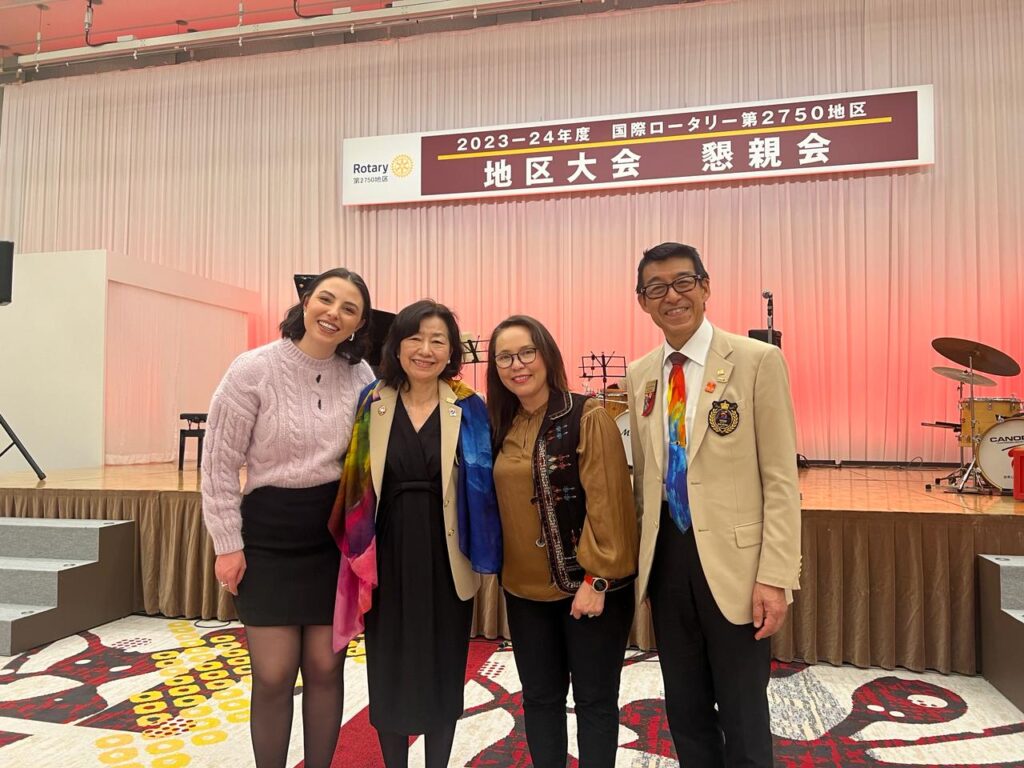
One such moment occurred in December 2024, when Rotary International President Stephanie A. Urchick visited the ICU Rotary Peace Center. During this visit, I had the honor of presenting my research. Speaking before such distinguished and high-profile individuals, including Rotary presidents, was both a turning point and a profound privilege.
In 2025, I was again given the opportunity to present my research, this time in front of Rotary International President Mr. Francesco Arezzo. Prior to my presentation, I had studied his profile and learned about his extraordinary contributions to Rotary and the Rotary Foundation. As a major donor and an advocate for education and philanthropy—particularly through his olive oil business in Italy—his commitment to giving deeply impressed me. I spoke about his values and contributions during my presentation, and his positive response made the experience especially meaningful.
Another defining academic moment for me was the 23rd Annual Seminar of the ICU Rotary Peace Center, which also coincided with our graduation. Each graduate was given the opportunity to present their master’s thesis—12 minutes for the presentation followed by a Q&A session. Standing before an audience of approximately 150 people, including Rotarians, the ICU president, and distinguished scholars such as Professor Pablo, was an incredibly emotional experience. After two years of intensive research, having people listen attentively and engage seriously with my work moved me deeply. That moment affirmed the value of my research and strongly motivated me to pursue a PhD.
Two Rotary field trips also left a lasting impact on me. The first was the Rotary Hiroshima Field Trip in March 2024, a core component of the Peace Fellowship at ICU. Through lectures and facilitated discussions with peace volunteers, we learned directly from atomic bomb survivors and visited sites such as the Hiroshima Peace Memorial Museum, the National Peace Memorial Hall, and the Peace Memorial Cathedral. Witnessing the personal artifacts of victims—children’s belongings, bicycles, and photographs—was profoundly heartbreaking. Learning about the atomic bombing and its devastating impact on civilians was deeply shocking, yet it also revealed the extraordinary resilience of the Japanese people. Despite such devastation, Japan rebuilt itself and became a global model of recovery and peace.
The second impactful experience was the Rotary Tohoku Field Trip to Sendai and Natori City, which focused on the 2011 Great East Japan Earthquake and tsunami. Through lectures by professors from Tohoku University and site visits to affected areas, we learned about both the scale of the catastrophe and the long-term reconstruction efforts. One moment that stayed with me was meeting a local guide who had personally experienced the disaster. I later learned that both of his parents had been swept away by the tsunami and were never found. Despite this immense personal loss, he continues to share his story with visitors. His strength and resilience deeply moved me, and I found myself reflecting on the emotional cost and courage required to repeatedly relive such trauma through storytelling.
These experiences—engaging with Rotarians, learning from history, and witnessing resilience in the face of immense suffering—were profoundly eye-opening. They reinforced my commitment to peacebuilding and directly motivated me to pursue doctoral studies. I hope to one day give back to communities that need voices, research, and advocacy rooted in lived experience.
How do you think your Rotary experience has affected your current work, study, or way of thinking? Could you give some examples or stories?
When I think about how Rotary has influenced my current work, studies, and way of thinking, I realize that it was not Rotary alone. Rather, it was the combination of Rotary, Japan, and International Christian University (ICU) that shaped my journey.
Through Rotary, I was given the opportunity to come to Japan. Again, through Rotary, I was introduced to International Christian University. These three elements—Rotary, Japan, and ICU—are deeply interconnected in my academic and personal development.
Academically, my experience in Japan allowed me to connect theory with reality. Concepts I had studied—such as displacement, trauma, and recovery—became real and tangible. Visiting Tohoku and Hiroshima, in particular, helped me understand the intersection of trauma, disaster, and recovery. These experiences have directly informed my PhD research on refugee integration and social inclusion.
Afghanistan, as I often explain, has not only been affected by war but also by continuous natural disasters such as landslides, avalanches, and floods. While I have lived through war, displacement, and being a refugee, I had never directly experienced large-scale natural disasters. Observing how Japanese society has learned to prepare for and respond to disasters was profoundly educational for me.
In Japan, preparedness is part of everyday life. At ICU, for example, there are clear evacuation signs, information centers, and step-by-step procedures displayed throughout the campus. Japan understands that disasters may strike at any time, and while they cannot always be prevented, preparation is essential.
Soon after arriving in Japan, I visited an earthquake prevention center, where we were taught what to keep at home, where to take shelter, and how to respond during an earthquake. These lessons left a strong impression on me. I do not know where else I could have learned so effectively about disaster prevention. At ICU, I also took many courses on natural disaster prevention, taught by highly respected professors who work closely with the United Nations and global disaster response efforts. I truly believe Japan is a global leader in disaster preparedness, and Japanese society demonstrates remarkable effectiveness and knowledge in this area. Rotary made it possible for me to gain these experiences in Japan and at ICU.
Professionally, I learned not only efficiency, but also cultural sensitivity. Japanese people are empathetic, kind, well-informed, and deeply respectful. These qualities have shaped my professional values, and I intend to carry this knowledge with me and share it wherever I work in the future.
There are also small, everyday examples that continue to amaze me. For instance, in the restroom, there is a discreet note explaining that if women need certain personal items, they can simply ask at the library—no explanation required. This level of cultural sensitivity deeply impressed me. In my culture, we openly name what we need, but here, the approach is thoughtful and respectful.
Every day, I notice how Japanese work culture treats everyone equally, regardless of background, appearance, or status. In restaurants, everyone is treated with the same level of respect. The practice of bowing has influenced me so much that I have begun doing it myself. Some people tell me I do not need to, but when something is good, I believe we should carry it with us and share it with the world.
Japanese communication is especially remarkable. Even sensitive topics are handled with care, respect, and effectiveness. Small details matter. When something is given, it is beautifully wrapped, carefully decorated, and thoughtfully presented—whether it is a simple bookmark or a small edible gift. In my culture, value is often expressed through money, but in Japan, value is shown through care, presentation, and intention.
These small things may seem simple, but they have a profound impact. They reflect a culture of empathy, respect, and beauty—lessons I will carry with me for the rest of my life.
How has your image of Rotary changed before and after participating in the program? What does Rotary mean to you?
Before coming to Japan, my understanding of Rotary was quite limited. I knew Rotary simply as a global organization—similar to the United Nations or the Red Cross—working on various issues around the world. In Canada, I had no direct interaction with Rotarians. I was interviewed by a Rotary panel for the Peace Fellowship, and that was essentially my only contact. They were kind and professional, but at that point, Rotary was still just an organization to me.
Before joining the fellowship, I assumed that Rotarians were mainly wealthy individuals who donated money to charitable causes. That was my definition at the time. However, after meeting many Rotarians through my experience as a Rotary Peace Fellow, my perspective completely changed.
I came to understand that Rotary’s mission goes far beyond financial contributions. Rotarians are deeply committed to creating meaningful change and addressing complex global challenges such as war, natural disasters, poverty, and the lack of access to education and healthcare. Many Rotarians themselves have faced hardships and challenges like anyone else. Yet, they choose to use their experiences, knowledge, and resources to uplift others.
Today, Rotary—and Rotarians—represent hope, humanity, and global solidarity to me.
To me, Rotary is a community that listens. It has inspired me to model the same generosity and commitment in my own work. I have met many Rotarians in person whose kindness left a lasting impression on me. Even my landlord, the Miyazaki family, were Rotarians. They not only supported me consistently but also supported other students. They were generous and fair with rent, and beyond that, they helped us in countless practical ways.
For example, my landlady often acted as an interpreter for us. When we faced issues with electricity, billing, or daily life in Japan that we did not understand, she patiently helped us navigate the system. Other Rotarians did the same. At events, they always shared their business cards and said, “If you ever need help, please contact me.” And whenever I reached out, I was never turned away.
I cannot say whether this experience is the same everywhere in the world, but in Japan, I felt that the Rotary community is truly unique. Even now, although I no longer live in the Miyazaki family’s apartment as they are rebuilding it, I try not to trouble them too much. Still, their generosity and support remain unforgettable to me.
Please share a message to your juniors who will be involved in Rotary programs in the future.
If I ever have the opportunity to advocate for this program, my message would be not only for prospective applicants, but also for those who are already part of it. From my experience, I have seen some fellows graduate and return to exactly where they started, and I sometimes wondered what their original goals were when they entered the program.
My advice is this: before applying, take the time to truly understand what the Rotary Peace Fellowship is about. Make sure that what you want to do aligns with Rotary’s values and mission. I am not saying that everyone needs to make a large or visible contribution. Rather, it is important to understand how Rotary contributes to society and to reflect on how we, in our own small ways, can give something back.
Rotary does not provide funding with the expectation that we will all become major donors or global grant contributors. Instead, it encourages us to see the bigger picture and to apply that perspective in our everyday lives—by continuously learning how to give back.
I hope Professor Pablo Puga will forgive me for sharing this, but I want to mention him as an example. Since I met him, he has supported me by introducing me to small but meaningful opportunities. For instance, he invited me to participate in this interview, which has led to my story being shared in a Rotary publication, and he has encouraged me to present my research. These opportunities allow me to keep refining my ideas, stay focused on my research, and think carefully about what I want to contribute.
In the same spirit, I try to give back in my own small ways. If Japanese students at ICU are struggling with their research, need feedback on their papers, or want help refining their English, I am always willing to help. This is my way of contributing.
I hope that younger fellows will not only connect with Rotarians respectfully and learn from this diverse community, but also think consciously about how to give back. The Rotary Peace community grows stronger not simply through what we receive, but through what we contribute—our time, our knowledge, and our willingness to collaborate.
When I say “engage fully,” I mean more than just being physically present. Even now, as a PhD student at ICU, I learn something every day from small details of Japanese life—something as simple as thoughtful packaging or a kind, carefully worded message. These small acts reflect peace, respect, and care. When we pay attention to such details and practice them in our daily lives, they eventually lead to a much greater impact.
Please tell us about your future dream.
When I asked myself what my future dreams were, I also asked a deeper question: If I am given this opportunity—this funding, these resources, and the trust of Rotarians—and I come all the way to Japan, what will I do next?
I knew one thing very clearly: I did not want to take this opportunity only to return to where I had been before. I wanted to take it further, to the next level. I may not yet know exactly what that future looks like, but I am certain that I do not want to waste the energy, the resources, or the generosity of the Rotarians who made this journey possible. I want to continue giving back, even if only in small ways.
This is something I want to emphasize again, because it is deeply important to me: I did not come here alone. Professors who guided me to the right programs, people like Professor Pablo, and Rotarians whose donations support education—all of them are part of where I stand today. Many people have worked behind the scenes to help me reach this point, and I feel a strong responsibility to do the same for others.
My dream is to become—I will become a Rotarian, perhaps just a small part of what Rotarians represent. I do not know if I can ever fully take on the role they play, given the incredible work they do, but I hope to actively contribute to the society and organizations that have given me so much.
The Rotary Peace Fellowship has shaped both my academic and professional journey, including my current PhD studies at ICU. Because of this, I feel a deep responsibility to give back. I hope to support and empower refugees, underprivileged communities, and people affected by conflict and disasters, following the examples set by Rotarians who inspire change through service, compassion, and dedication.
While I may not yet achieve the level of impact that many Rotarians have already accomplished, I am committed to contributing—even in small ways—to the meaningful work they do around the world. I will continue striving to uplift communities and build peace wherever I can.
I am truly honored and grateful for this opportunity to share my story.
Rona Karimi
Rotary Peace Fellows Class XXII (2023-2025)
International Christian University Rotary Peace Center
Host Club RID2590 Kawasaki Chuo Rotary Club
Rotary Family Support Committee
Chair: Wakako Miyamura (Tokyo Hiroo Rotary Club)
Vice Chair: Toichiro Sugiura (Tokyo Akebono Rotary Club)
Rotary Family Voice
Editor: Midori Nakamae (Tokyo Yoneyama Rotary E-Club 2750)
With special cooperation from Pablo Puga (Tokyo Hiroo Rotary Club)
Interview conducted on January 19, 2026 (Monday), 2:00 p.m.